Phone: 403-714-0080
Email: service@fixoncall.ca
Calgary & surrounding areas

Phone: 403-714-0080
Email: service@fixoncall.ca
Calgary & surrounding areas
Calgary and surrounding areas
Parging is the thin cement coat that protects the visible strip of your foundation wall. Fix On Call repairs the cracked, flaking and hollow-sounding foundation parging Calgary homeowners find after a hard winter, with proper prep and a smooth, consistent finish. Free estimates across Calgary and surrounding areas.
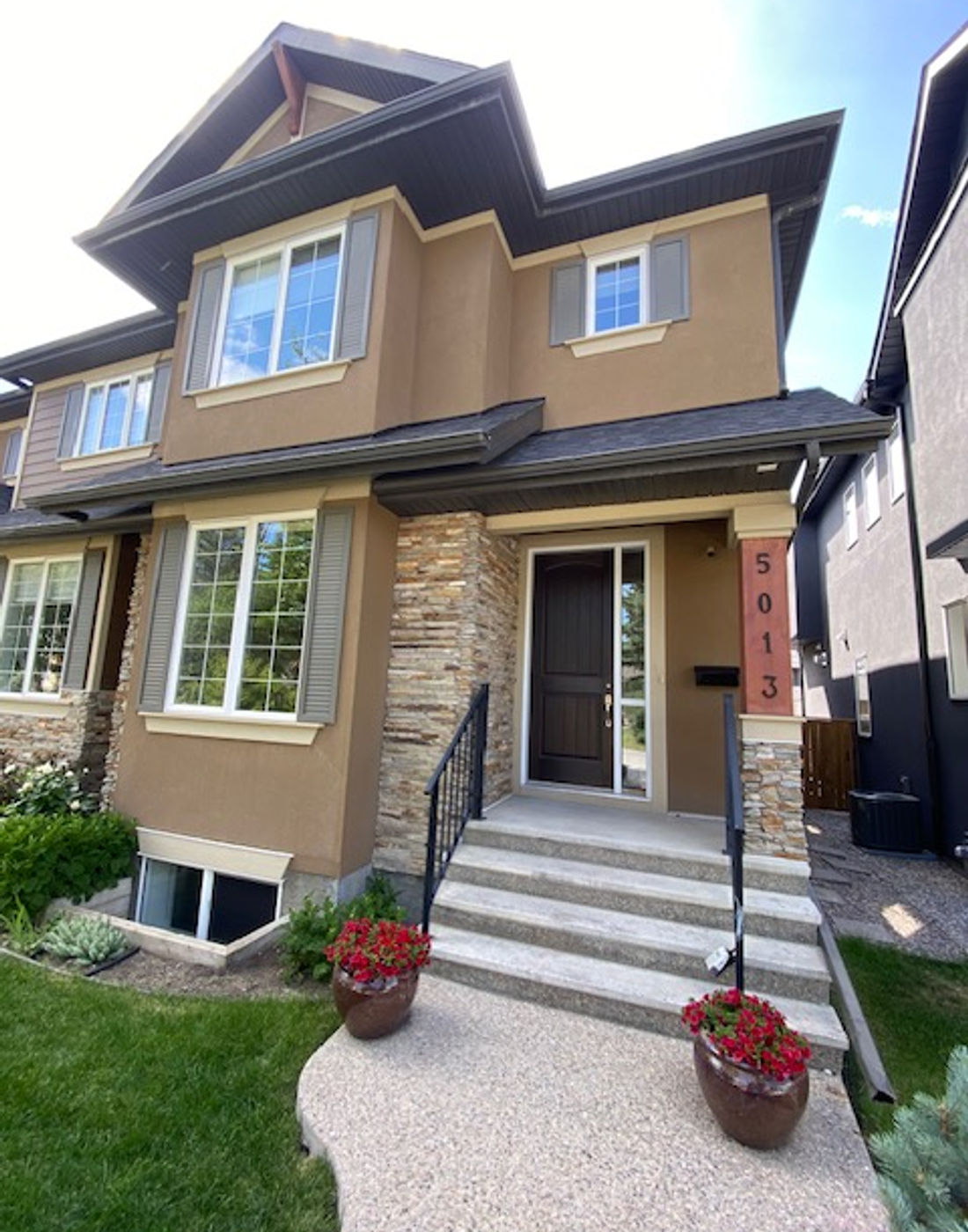
Parging is a thin layer of cement-based mortar troweled over the above-grade portion of a foundation wall, usually the strip between the ground and the siding or stucco. It evens out the rough concrete or block, gives the wall a finished look, and acts as a first layer of defence against rain, snowmelt and splashback.
Because it is only a thin coat, parging does not last forever. It is bonded to the wall rather than built into it, so over the years it can lose that bond. Water gets behind it, freezes, and pushes the coating away from the foundation. What starts as a hairline crack becomes a loose patch, then a missing section.
You do not need to be a contractor to spot trouble. Walk around the house in spring, once the snow has melted, and look closely at the strip of foundation between the ground and the wall finish above it.
Calgary sits in one of the more demanding climates for exposed cement. Winters are long and cold, and chinook winds can swing temperatures from deep freeze to above zero within hours, sometimes more than once in a week. Every swing gives moisture in the parging a chance to melt, soak in, and freeze again. Ice takes up more room than water, so each cycle puts a little more stress on the bond.
Strong sun on south-facing walls, de-icing salt splash and snow piled against the foundation add to the wear, so exposed sides, window wells and downspout locations tend to fail first.
The right answer depends on how much of the coating has actually failed, and the only way to know is to look at the wall in person.
Spot repair
When the coating is mostly sound and the problem is limited to a few cracks or small broken areas, targeted repair is usually enough. Loose material is removed back to solid edges and the area is rebuilt.
Section re-parge
If one side of the house, a corner or the area around a window well has widespread hollow spots or flaking, it makes more sense to strip and recoat that whole section so the finish stays even.
Full re-parge
When failure is spread around most of the foundation, patching just chases the problem. Removing the old coat and applying a fresh one gives a uniform look and a sound bond all the way around.
Assess the cause
We look at where the cracking and flaking is, how far it extends, and whether moisture, movement or drainage is behind it. Fixing the coating without understanding why it failed is how repairs fail twice.
Remove and prepare
Loose and hollow material is chipped off until we reach solid, bonded parging or clean foundation. The surface is cleaned and dampened so the new coat bonds instead of drying out too fast.
Apply and finish
New mortar is applied in thin, controlled layers and troweled to a consistent texture that blends with what stays.
Parging is a protective finish, not a waterproofing system. If water keeps pooling against the wall, new parging will crack and flake just like the old coat did. Before you invest in a repair, it is worth checking the basics: does the ground slope away from the house, do downspouts discharge well clear of the foundation, and is snow being shovelled against the wall?
If cracks are wide, keep opening, or show signs of the wall itself moving, or if you see water coming into the basement, that is a structural or waterproofing question and should go to a foundation specialist. We will tell you plainly if what we see is beyond a parging repair, rather than cover it up with a fresh coat.
New parging needs to cure slowly. It should not freeze while it is still fresh, and it should not dry out too quickly in hot sun or wind. For that reason, repairs are best done in the warmer part of the year, from late spring through early fall, when temperatures are steady.
Booking before winter is a smart move. Repairing damaged parging by early fall keeps meltwater from getting behind it during the next freeze-thaw season, when small cracks tend to grow fastest.
On many Calgary homes the parging strip sits directly below a stucco wall, and the two finishes wear out for many of the same reasons: water getting in, repeated freeze-thaw cycles, and hail or impact damage. A crack in the stucco just above the foundation can send water down behind the parging, and a broken parging edge lets moisture sit at the base of the wall. That is why it often makes sense to look at both in the same visit.
If the stucco above your foundation is cracked, chipped or hail-damaged, our stucco repair in Calgary page explains how we patch damaged areas and match colour and texture. For an overview of both services together, see our stucco and parging repair services.
If you are weighing whether to fix small problems now or wait, our articles on why stucco repair matters in Calgary and fixing cracks, damage and parging problems before they get worse look at what tends to happen when damage is left alone. Parging is also one part of the wider exterior repair work we do on Calgary homes.
Getting a parging repair priced does not need to be complicated. Here is how it usually works:
How long does parging last?
There is no fixed number. Lifespan depends on the original application, drainage around the house and how exposed the wall is to weather. Parging that is applied well to a clean surface and kept free of constant moisture can last many years, while poorly bonded parging may fail much sooner.
Can I just patch a few cracks myself?
Hairline cracks that are not moving are often cosmetic. For anything wider, or where the coating sounds hollow, a store-bought patch tends to sit on top of a failing bond and pop off. Removing the loose material and prepping the wall is what makes a repair last.
Is parging the same as stucco?
No. Parging is a thin cement coat on the exposed foundation, while stucco is a multi-coat wall finish that covers the walls above. They are often found together and both suffer from moisture and freeze-thaw, so we can look at them in the same visit.
Can parging be done in cold weather?
Cold is a problem because fresh cement-based material should not freeze before it has set. We generally plan parging for stable, above-freezing weather. If you have damage in winter, we can still assess it and book the repair for the right conditions.
Will the repair match the rest of the wall?
We trowel the new coat to match the surrounding texture as closely as we can. Older parging that has weathered or is painted may look slightly different at first, and we will explain what to expect before work begins.
Can parging be painted?
It can, once the new coat has fully cured. If you plan to paint it, use a breathable coating made for masonry so moisture in the wall can still escape. A film that traps water behind it tends to peel and can speed up the same freeze-thaw damage you are trying to prevent.
Send us your address, a few photos of the foundation and a short note about what you are seeing. Free estimates for homes in Calgary and surrounding areas, or call 403-714-0080.
Calgary stucco repair, flooring, painting, and finishing work with clear scope, clean execution, and a polished result.
Core Services
Contact
403-714-0080
service@fixoncall.ca
Calgary and surrounding areas
Fix On Call serves Calgary and surrounding areas with residential-focused repair and finishing work.
Built by ScopeX Media